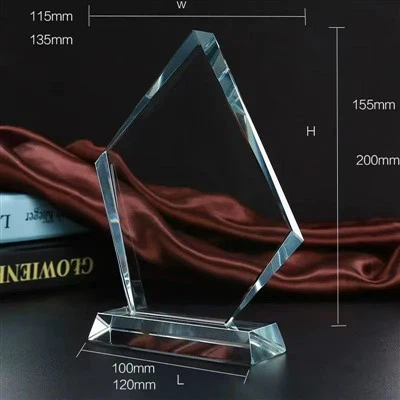
Handling metal medals requires careful attention to safety to ensure the well - being of those involved in the process, from production to storage and distribution. As a metal medal supplier, I understand the importance of adhering to safety precautions to protect both our employees and the end - users of our products.
Personal Protective Equipment (PPE)
When handling metal medals, personal protective equipment is a must. Workers should wear safety goggles to protect their eyes from any flying metal particles that may be generated during the manufacturing process, such as when cutting, polishing, or engraving the medals. These particles can cause serious eye injuries, and safety goggles act as a barrier.
Gloves are also essential. They protect the hands from sharp edges on the medals, which could cause cuts and abrasions. Additionally, gloves can prevent skin contact with any chemicals used in the finishing processes of the medals, such as plating solutions. Chemical - resistant gloves should be used when dealing with these substances to avoid skin irritation or chemical burns.
For those working in areas where there is a risk of loud noises, such as in a factory with machinery, ear protection is necessary. Prolonged exposure to high - decibel sounds can lead to hearing loss, so earplugs or earmuffs should be worn to reduce the risk.


Handling and Storage
When handling metal medals, it is important to use proper lifting techniques. Medals can be heavy, especially if they are large or made of dense metals. Workers should bend their knees and lift with their legs, rather than their backs, to avoid back injuries.
During storage, medals should be kept in a dry and clean environment. Moisture can cause the metal to rust, which not only affects the appearance of the medals but also weakens the metal over time. Shelves or storage containers should be sturdy and well - organized to prevent the medals from falling and getting damaged.
It is also crucial to separate different types of medals to avoid scratching or damage. For example, medals with sharp edges should be stored separately from those with a smooth finish.
Chemical Safety
In the production of metal medals, various chemicals are used. For instance, plating solutions are used to give the medals a shiny finish. These chemicals can be hazardous if not handled properly.
Workers should be trained on the correct use and storage of these chemicals. Chemicals should be stored in a dedicated area, away from heat sources and incompatible substances. Safety data sheets (SDS) should be readily available for each chemical, providing information on its properties, hazards, and first - aid measures.
When using chemicals, workers should follow the manufacturer's instructions carefully. They should also be aware of the proper disposal methods for chemical waste to prevent environmental pollution.
Fire Safety
Metal medals are often produced in an environment where there are flammable materials and heat sources. For example, soldering and welding processes are used in medal production, which generate heat and sparks.
Fire prevention measures should be in place, such as having fire extinguishers readily available in the work area. Workers should be trained on how to use fire extinguishers properly. Additionally, the work area should be kept clean and free of debris, as flammable materials can easily catch fire.
Electrical equipment used in the production process should also be maintained regularly to prevent electrical fires. Faulty wiring or overloaded circuits can pose a significant fire risk.
Quality Control and Inspection
As a metal medal supplier, quality control and inspection are important safety aspects. Before the medals are shipped to customers, they should be thoroughly inspected for any defects. Defective medals can pose a safety risk, such as sharp edges or loose parts.
Inspectors should check the overall quality of the medals, including the finish, the attachment of any additional elements (such as ribbons or crystals), and the integrity of the metal. Any medals that do not meet the safety standards should be removed from the production line and either repaired or discarded.
Safe Transportation
When transporting metal medals, they should be packed securely to prevent damage. Specialized packaging materials, such as foam inserts or padded boxes, can be used to protect the medals during transit.
The transportation vehicle should also be in good condition, with proper shock - absorbing features. Drivers should be trained on how to handle the cargo safely, including proper loading and unloading procedures.
Customer Safety
When customers receive the metal medals, they should also be informed about safety precautions. For example, if the medals have sharp edges, a warning label should be attached. Customers should be advised to keep the medals out of reach of children to prevent choking or injury.
Product - Specific Safety
We offer a variety of metal medals, such as Metal Marathon Medals, Soccer Metal Base Crystal Medal, and Crystal Medal with Metal Base. Each type of medal may have specific safety considerations.
For medals with crystals, care should be taken to ensure that the crystals are securely attached. Loose crystals can pose a choking hazard. In the case of marathon medals, they may be worn around the neck, so the attachment mechanism should be strong and reliable to prevent the medal from falling and causing injury.
Training and Education
All employees involved in the handling of metal medals should receive proper training on safety procedures. This includes training on the use of PPE, chemical safety, fire safety, and proper handling techniques.
Regular safety meetings should be held to reinforce safety practices and to discuss any new safety concerns. Employees should also be encouraged to report any safety hazards they notice in the workplace.
Conclusion
Safety is of utmost importance when handling metal medals. As a metal medal supplier, we are committed to ensuring the safety of our employees, customers, and the environment. By following these safety precautions, we can minimize the risk of accidents and injuries and provide high - quality, safe metal medals to our customers.
If you are interested in purchasing metal medals for your event or organization, we invite you to contact us for a detailed discussion. We can provide you with more information about our products, pricing, and customization options.
References
- Occupational Safety and Health Administration (OSHA) guidelines on safe handling of metals and chemicals.
- Industry best practices for metal medal production and safety.