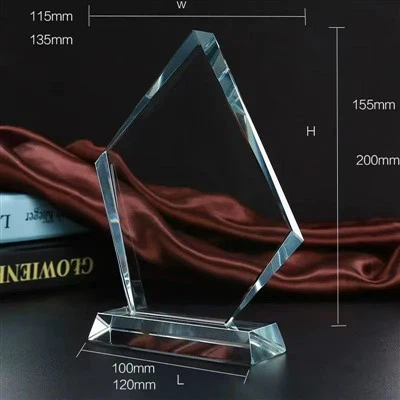
Can resin trophies be recycled?
As a supplier of resin trophies, I've often been asked about the recyclability of these items. It's a question that not only reflects growing environmental awareness but also the need for sustainable practices in our industry. In this blog, I'll delve into the topic of resin trophy recycling, exploring the possibilities, challenges, and the future of eco - friendly trophy solutions.


Understanding Resin Trophies
Resin trophies are popular for their versatility, durability, and ability to be molded into intricate designs. They are commonly used in sports events, corporate awards, and academic achievements. At our company, we offer a wide range of resin trophies, such as the Resin Golfer Crystal Trophy, Resin Base Soccer Trophy, and Resin Figure Basketball Trophy. These trophies are crafted with precision and attention to detail, making them highly sought - after in the market.
The Composition of Resin Trophies
Resin is a synthetic material that can be made from various chemical compounds. The most common types of resin used in trophy manufacturing are epoxy resin and polyester resin. Epoxy resin is known for its high strength, chemical resistance, and excellent adhesion properties. Polyester resin, on the other hand, is more cost - effective and has good moldability.
The problem with recycling resin trophies lies in the complex nature of these materials. Resin is a thermosetting plastic, which means that once it is cured, it cannot be melted and reshaped like thermoplastics. Thermosetting plastics form a three - dimensional cross - linked structure during the curing process, making them highly resistant to heat and chemicals. This characteristic makes it difficult to break down the resin into its original components for recycling.
Challenges in Recycling Resin Trophies
One of the main challenges in recycling resin trophies is the lack of proper recycling infrastructure. Most recycling facilities are designed to handle common materials like paper, glass, and metal. There are very few facilities equipped to deal with resin and other specialized plastics.
Another issue is the presence of additives and pigments in resin trophies. These additives are used to enhance the appearance and performance of the trophies, but they can also complicate the recycling process. For example, some pigments may contain heavy metals, which need to be removed before the resin can be recycled.
In addition, the size and shape of resin trophies can also pose a challenge. Trophies often have complex designs and multiple components, which makes it difficult to separate and recycle the different parts.
Current Recycling Options
Despite the challenges, there are some limited recycling options available for resin trophies. One approach is mechanical recycling, which involves grinding the resin into small pieces and then using it as a filler in other plastic products. However, this method has its limitations, as the recycled resin may not have the same properties as the original material.
Another option is chemical recycling, which involves breaking down the resin into its monomers through a chemical process. This method can potentially produce high - quality recycled resin, but it is currently expensive and requires specialized equipment.
The Future of Resin Trophy Recycling
As environmental concerns continue to grow, there is a growing need for more sustainable solutions in the trophy industry. One possible solution is the development of bio - based resins. Bio - based resins are made from renewable resources such as plant oils and starches, and they are more environmentally friendly than traditional resins. These resins can potentially be recycled more easily and have a lower carbon footprint.
Another approach is to design trophies with recycling in mind. This could involve using modular designs that allow for easy disassembly and separation of different components. By making trophies more recyclable, we can reduce the environmental impact of the trophy industry.
Encouraging Recycling in the Trophy Industry
As a resin trophy supplier, we have a responsibility to promote recycling and sustainable practices. We can educate our customers about the importance of recycling and provide them with information on how to recycle their trophies. We can also work with recycling facilities to develop more efficient recycling processes for resin trophies.
In addition, we can explore partnerships with other companies in the industry to develop innovative solutions for recycling and waste management. By working together, we can create a more sustainable future for the trophy industry.
Conclusion
In conclusion, while recycling resin trophies is currently challenging, it is not impossible. With the development of new technologies and more sustainable materials, there is hope for a more environmentally friendly future in the trophy industry. As a supplier, we are committed to exploring these options and promoting recycling among our customers.
If you are interested in purchasing high - quality resin trophies or have any questions about our products, please feel free to contact us for a procurement discussion. We look forward to working with you to meet your trophy needs while also contributing to a more sustainable planet.
References
- "Plastics Recycling Handbook" by Chris DeArmitt
- "Environmental Impact of Synthetic Resins" by the American Chemical Society